
India, Japan Unveil New Strategic Initiatives Across AI, Defence, Investment and Clean Energy at Annual Summit
The Voice of Canada/Chandigarh
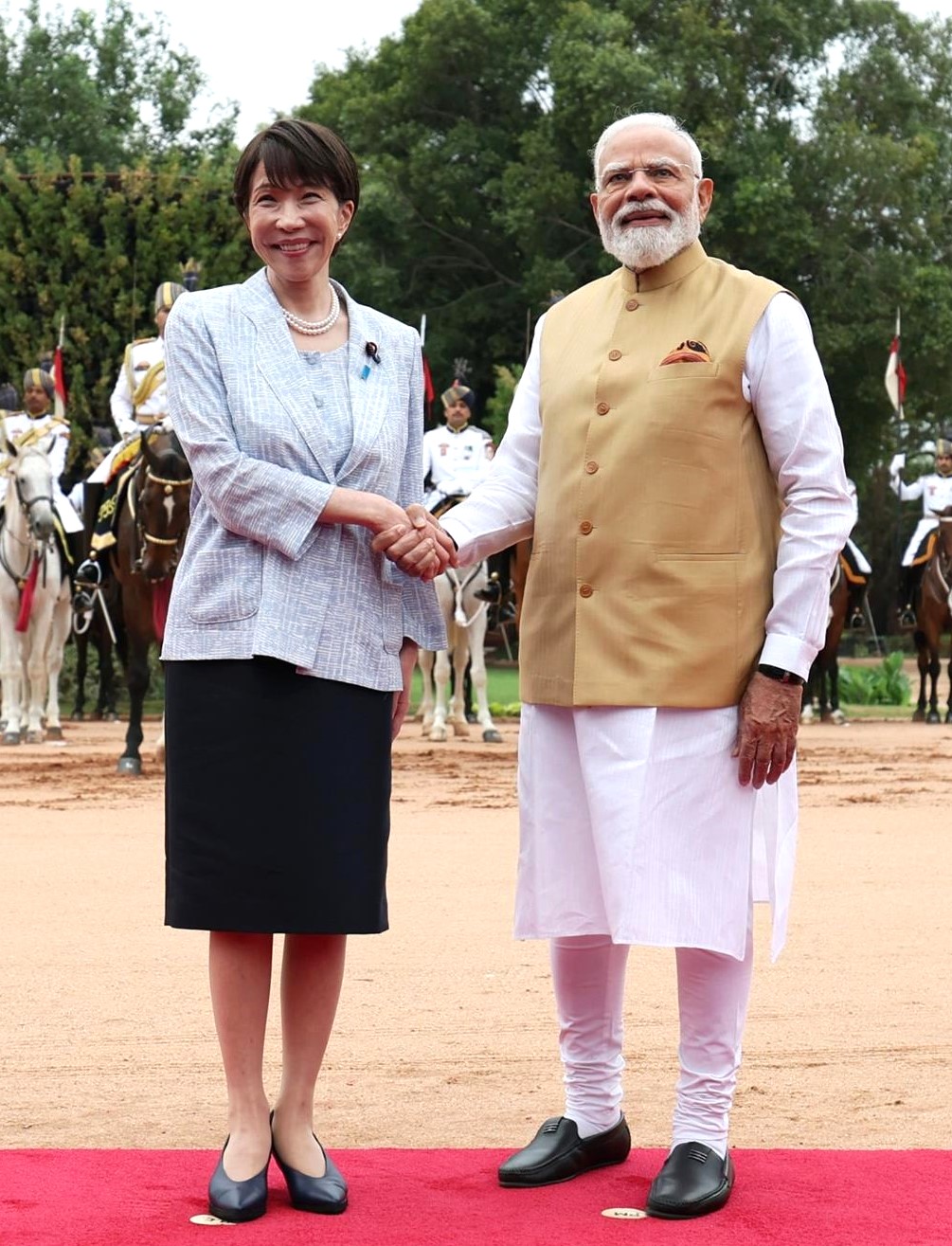
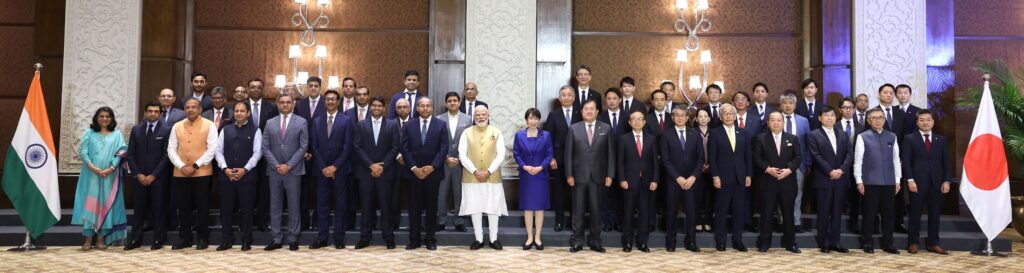
Prime Minister Narendra Modi and Japanese Prime Minister Sanae Takaichi reaffirmed the India-Japan Special Strategic and Global Partnership, announcing a series of landmark initiatives in artificial intelligence (AI), defence, investment, economic security and clean energy during the India-Japan Annual Summit in New Delhi.
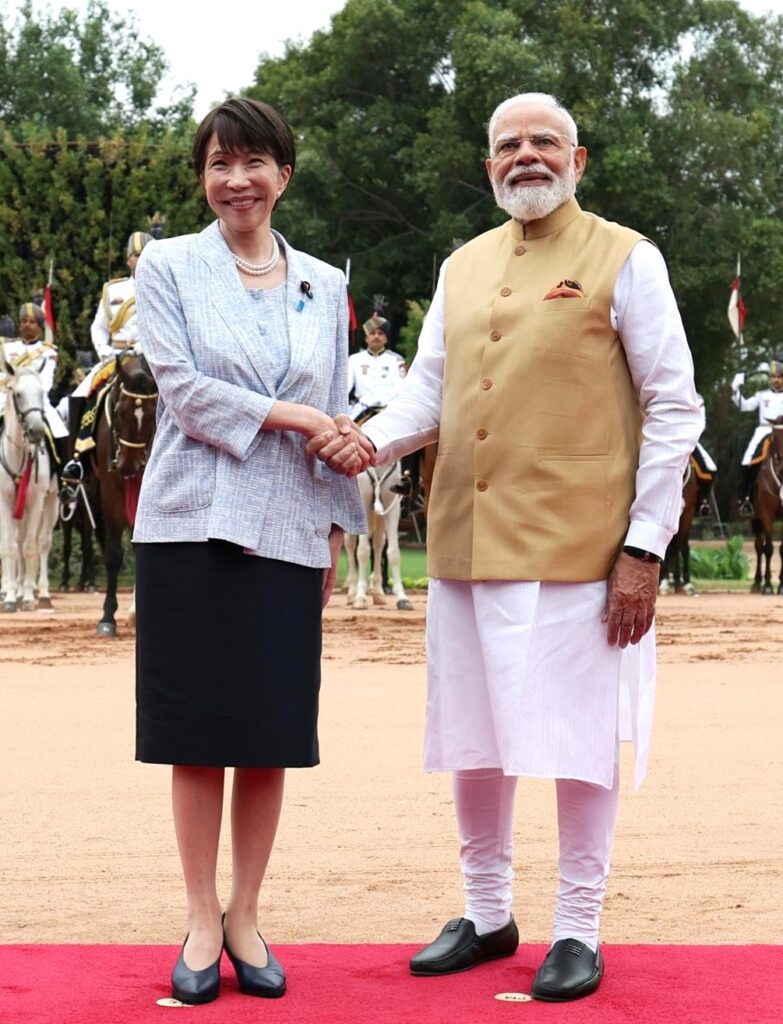
Welcoming Prime Minister Takaichi on her first visit to India, PM Modi described the bilateral relationship as one built on “trust, shared values and a common vision for the Indo-Pacific.” He said that in today’s uncertain global environment, mutual trust remains the greatest strategic asset for both nations.
A major highlight of the summit was the release of a Joint Statement on AI, accompanied by agreements between leading Indian and Japanese institutions to strengthen collaboration in artificial intelligence. The two leaders also announced their first defence co-development project, involving a Naval Radio Antenna system, marking a new phase in defence technology cooperation.
In the healthcare sector, both countries signed agreements in pharmaceuticals, medical devices and biotechnology to promote affordable and advanced healthcare solutions while enhancing global health security.
Strengthening economic ties, the leaders set an ambitious target of attracting 10 trillion yen in Japanese investment into India over the next decade and doubling the number of Japanese companies operating in the country. Financial sector agreements were also signed to facilitate smoother capital and investment flows.
To enhance economic resilience, India and Japan adopted a Joint Roadmap on Economic Security, focusing on semiconductors, quantum technologies, advanced materials and resilient supply chains.
The summit also witnessed the launch of the India-Japan Bio-gas Initiative, under which Japan will support the establishment of 1,000 bio-gas and organic fertilizer plants in India. Both countries also agreed to deepen cooperation in batteries, green hydrogen and nuclear energy to advance clean energy goals.
Additionally, the two sides unveiled the India-Japan Next Generation Mobility Partnership Framework, expanding collaboration beyond automobiles into shipbuilding, aviation and logistics.
Recognising the importance of people-to-people ties, the leaders agreed to enhance talent mobility, skill development, technical internship programmes, research partnerships, education exchanges and startup collaboration.
The leaders also announced plans to celebrate the 75th anniversary of India-Japan diplomatic relations next year through a series of cultural, tourism and creative economy initiatives.
PM Modi expressed confidence that the strengthened partnership would contribute to the vision of a developed India, a prosperous Japan and greater peace, stability and progress across the Indo-Pacific region.